
Case of Infant Death Serves as a Catalyst for Improving Healthcare Services in Jakarta
Reported by Fakhrizal Fakhri | Translated by Rizky Mawardi
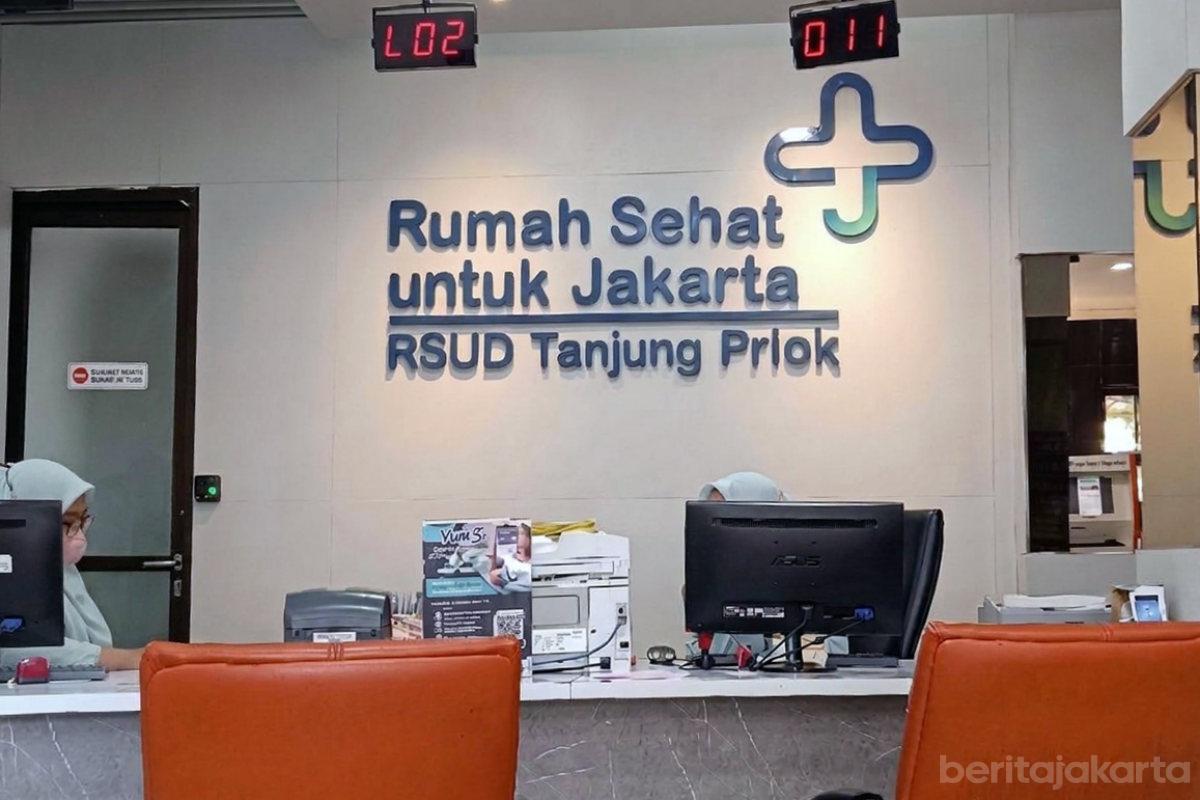
Chairman of Commission E of the Jakarta City Council, M. Subki, asked the Jakarta Provincial Government to evaluate and improve the quality of health services following the death of a baby referred from Tanjung Priok Regional Hospital to Koja Regional Hospital, North Jakarta.
Moment for improvement
Improvements need to be made, starting from adding Neonatal Emergency Transport System (NETS) ambulances to strengthening baby care facilities in hospitals.
Health Agency Readies Healthcare Reforms After Infant Death CaseAccording to him, this incident should be a momentum to evaluate and improve the quality of health services, facilities and infrastructure as well as the availability of special ambulances for babies and Neonatal Intensive Care Unit (NICU) facilities.
"In general, we convey that this is a moment for improvement and evaluation of healthcare services, facilities, and infrastructure. This includes the lack of ambulances specifically for infants and the NICU in hospitals. All of this must be evaluated," he said, Friday (11/27).
Subki emphasized that healthcare is a basic, non-negotiable need. Therefore, the government must ensure that healthcare facilities and services are available and ready to be used to anticipate various emergencies.
"When we talk about health, we're not talking about choices. People don't have a choice. They want to be safe from the diseases they suffer from," he added.
He also highlighted the limited number of NETS ambulances in Jakarta. At the time of the incident, there were six patients requiring specialized infant ambulance services, while Jakarta only had two NETS ambulances.
According to Subki, even though this type of ambulance is not always used every day, the number of the fleet must still be sufficient to anticipate needs in emergency situations.
"It's true that ambulances are idle when there's no need. But that doesn't mean there shouldn't be enough of them. It turns out that when there's a special event or a unique situation, a disaster, or something else, they're definitely needed," he stated.
He hopes the addition of NETS ambulances will strengthen healthcare readiness in the capital. Commission E, Subki continued, is ready to support the Health Agency's proposed budget requirements to improve healthcare facilities and infrastructure.
In addition to improving facilities, Subki also encouraged the Health Agency to improve the communication skills of health workers (nakes), from doctors to nurses, so that they can explain patient conditions, medical procedures, and service procedures in language that is easy for the public to understand.
According to him, the use of medical terms that are not well understood by the general public has the potential to lead to misunderstandings and hinder communication between healthcare professionals and patients and their families. The ability to convey information clearly and effectively also needs to be a focus in evaluating healthcare services.
"Everyone understands health terms and so on, but the general public may interpret them differently. Therefore, avoiding ineffective communication is certainly our advice to the Health Agency," he admitted.